The choice between a PVC (polyvinyl chloride) or timber (wood) fence depends on the aspects you value most, such as maintenance, cost, aesthetics, and longevity.
Are you looking for something that lasts longer and requires minimal upkeep? PVC might be the answer, with its durability and resistance to rot and pests, though it could mean a higher initial cost.
People love timber fences for their natural beauty and lower upfront cost, but they require more maintenance and have a shorter lifespan.
Both options have their perks and pitfalls. We’ll explore these factors in this PVC vs timber fence comparison article to help you choose the right fence for your property.
PVC (Vinyl) vs Timber (Wood) Fencing
Choosing between PVC and timber fencing involves considering their distinct benefits.
- PVC Fencing: This type is durable and low maintenance, resisting weathering, rot, and pests. It offers a sleek, modern look in various styles and colours. Though initially pricier, its long-term savings on upkeep are significant.
- Timber Fencing: Loved for its classic, natural appearance, timber is versatile and customisable. However, it requires regular maintenance, like staining or painting, to withstand the elements.
For quick reference, here’s a table summarising the primary distinctions of these two fence materials. Keep reading for a more detailed PVC vs timber fence comparison.
| Feature/Aspect | PVC (Vinyl) Fence | Timber (Wood) Fence |
| Aesthetic Appeal | Clean, modern look; various colours and styles including wood-look; less natural texture | Natural, rustic, classic look; highly customisable with paints, stains, and shapes |
| Durability and Longevity | Very durable; lasts 20 to 30 years; resistant to rot, pests, warping, and cracking | Lasts 15 to 20 years with maintenance; vulnerable to rot, pests, and weather damage |
| Maintenance | Very low; occasional cleaning only; no painting or sealing required | High; needs regular painting, staining, sealing, and repairs |
| Initial and Long-term Cost | Higher upfront cost; more cost-effective due to low upkeep and longevity | Lower initial cost, especially softwoods; can be more expensive over time due to maintenance and repairs |
| Environmental Impact | Made from fossil fuels; recyclable but not biodegradable | Renewable (if sustainably sourced); biodegradable; concerns about deforestation and chemical treatments |
| Weather Resistance | Highly resistant to moisture, UV, rain; may become brittle in extreme cold | Susceptible to moisture, rot, sun fading; some woods more weather-resistant than others |
| Customisation and Installation | Modular pre-assembled panels; faster installation; limited customisation | Easy to customise and modify; more complex and time-consuming installation |
| Privacy and Security | Provides excellent privacy; consistent panel quality reduces gaps | Provides good privacy and security; can reduce noise effectively |
| Best For | Those prioritising durability, low maintenance, and weather resistance | Those valuing natural beauty, customisation, and lower initial cost |
1. Aesthetic Appeal
Both timber and PVC fences have their unique charm.
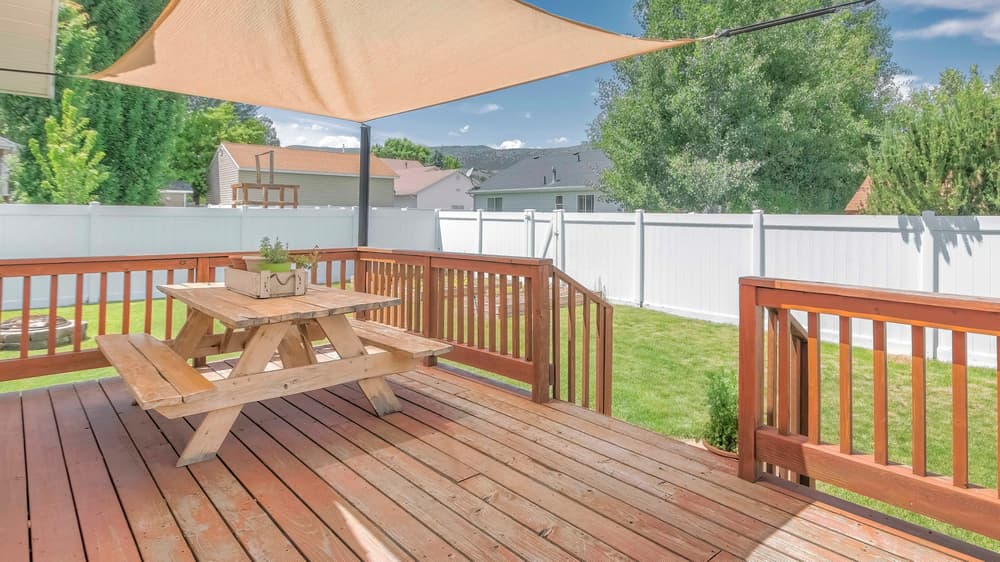
PVC fences have a clean and modern look. They come in a variety of colours and styles, including options that mimic the appearance of wood. However, they don’t quite capture the organic texture and warmth of real timber.
Timber fences offer a natural, rustic appearance that many homeowners love. They’re highly customisable. You can stain or paint them in almost any colour, cut them into different shapes, and design them to match traditional or modern homes. Wood has a timeless quality that brings warmth and character to any yard.
Key point: Choose timber if you prefer a natural, custom look. Conversely, go with PVC if you prefer a sleek, uniform style with minimal maintenance.
2. Durability and Longevity
If you’re looking for a fence that lasts, durability is a key factor to consider when comparing PVC and timber fences.
PVC fences last a long time. With a lifespan of 20 to 30 years or more, they’re highly resistant to moisture, pests, and UV rays. They won’t warp, rot, or splinter over time, and they rarely need repairs, making them a great long-term investment.
Timber fences can also last a long time, typically 15 to 20 years, with regular maintenance. Wood is more vulnerable to rot, termites, and weather damage, which can lead to warping or splintering.
Key point: PVC wins in durability and long-term performance, though it may come with a higher upfront price.
3. Maintenance Requirements
Another difference in the vinyl vs wood fence comparison is how much work each one needs to stay in good shape.
PVC fences are low-maintenance. You won’t need to paint, stain, or seal them. Just give them a quick spray with water now and then to keep them clean. They’re designed to look good with minimal effort.
Timber fences, however, need more attention. To protect the wood and keep it looking fresh, you’ll need to seal, paint, or stain it every 2 to 3 years. Regular checks for damage or rot and replacement of any broken boards are necessary.
Key point: For a hassle-free fence, choose a PVC fence. Wood fences offer beauty, but they need regular care.

4. Initial and Long-Term Cost
When comparing PVC and wood fencing, cost is often one of the major deciding factors. It’s important to consider the short-term and long-term expenses.
PVC fences usually cost more upfront to install. However, because they need little maintenance and rarely require repairs, they are more cost-effective in the long run. You won’t have to spend on paint, sealants, or frequent fixes.
Timber fences, especially those made from softwood, are usually cheaper to install. Hardwoods cost more but offer better durability. That said, all timber fences come with higher ongoing costs because of regular sealing, painting, and potential repairs.
Key point: Think beyond the initial price. Factor in future upkeep and repairs to get a clearer picture of the overall cost.
5. Environmental Impact
If sustainability matters to you, it’s worth thinking about the environmental impact of a PVC vs timber fence.
PVC fences utilise plastic, which is derived from non-renewable fossil fuels. While they’re not biodegradable, some manufacturers now recycle old vinyl fences into new ones, which helps reduce waste. Still, the overall production process can have a higher environmental footprint.
People see timber fences as the eco-friendlier option, especially when the wood comes from sustainably managed forests (look for the Forest Stewardship Council or FSC certification). Timber is biodegradable if left untreated, but chemical treatments and deforestation are still concerns.
Key point: Timber is often the greener choice, though PVC’s sustainability is slowly improving through recycling efforts.
6. Weather Resistance
Heat and moisture can take a toll on any fence, so it’s best to understand how well each option holds up in different weather disturbances.
PVC fences can handle tough weather. They resist moisture, rain, humidity, and strong sunlight without warping, rotting, or fading. However, in cold climates, PVC can become brittle and may crack.
Timber fences don’t handle weather as easily. They can absorb moisture, which may lead to rot, warping, or mould. Sun exposure can also cause fading. That said, some woods, like cedar and redwood, naturally resist weather damage better than others.
Key point: For areas with heavy rain, high humidity, or harsh sun, PVC offers better all-weather performance with a lower risk of damage.

7. Customisation and Installation
For design flexibility and ease of installation, there are clear differences between PVC and timber fences.
PVC fences usually come as part of a modular system, with pre-assembled panels that snap or slot into place. This makes installation quicker and more straightforward, especially for DIY projects. However, PVC can be more limited in style and shape compared to timber.
Timber fences offer greater flexibility during installation. You can cut and shape them on-site to fit uneven ground or match specific design ideas, which makes them ideal for custom or detailed projects.
Key point: Choose timber if you want a truly custom or decorative fence. However, go with PVC for a faster, easier setup with less fuss.
8. Privacy and Security
Privacy and security are top priorities for many homeowners, and both fencing solutions perform well in this area.
PVC fences offer solid privacy and security thanks to their uniform panels. Since they don’t warp or shrink over time, they’re less likely to develop gaps that compromise privacy.
Timber fences are also a sound choice for keeping your property secure and private. A well-built timber fence can block views, reduce noise, and create a sturdy barrier. However, wood can shift or develop gaps over time without proper maintenance.
Key point: Both PVC and timber can offer excellent privacy and security. Your choice comes down to your preferred style and how much upkeep you’re willing to manage.
Which Fence Is Right for You?
So, which option wins in the PVC vs timber fence debate? It depends on your personal needs and priorities.
- Choose PVC if you want a fence that lasts decades with little effort. It’s ideal for those who value durability, low maintenance, and strong resistance to weather, pests, and rot, even if it means paying more upfront.
- Choose timber if you love the look and feel of natural wood, are happy to do some regular upkeep, and want a fence that’s affordable to install and easy to customise.
Before making your decision, consider the total cost over time, the look you want for your property, how much time you’re willing to invest in maintenance, and the environmental impact of your choice.

Get the Right Fence the First Time
When choosing between PVC and timber fences, there’s no one-size-fits-all answer. The best option depends on what’s most important to you.
A quality PVC fence might offer low maintenance and durability, while timber brings a natural charm and can be more eco-friendly. Reflect on what aligns with your priorities.
Take a moment to think about your lifestyle, your property’s needs, and how much time and money you’re willing to invest in your fence over the years.
Need expert advice? Contact That’s Fencing on 0452 280 559 or visit our contact page to get started.